
The Current Energy Landscape
As I observe energy usage patterns, it’s clear that many households in China are grappling with rising electricity prices and occasional shortages. In fact, recent statistics indicate that electricity costs have soared by over 20% in the last five years. This scenario begs the question: what innovative solutions could effectively address these challenges? The answer lies in the evolution of the household energy storage system that offers an intriguing alternative to traditional energy methods. It’s not just about storing energy; it’s about empowering consumers to take control of their energy consumption.
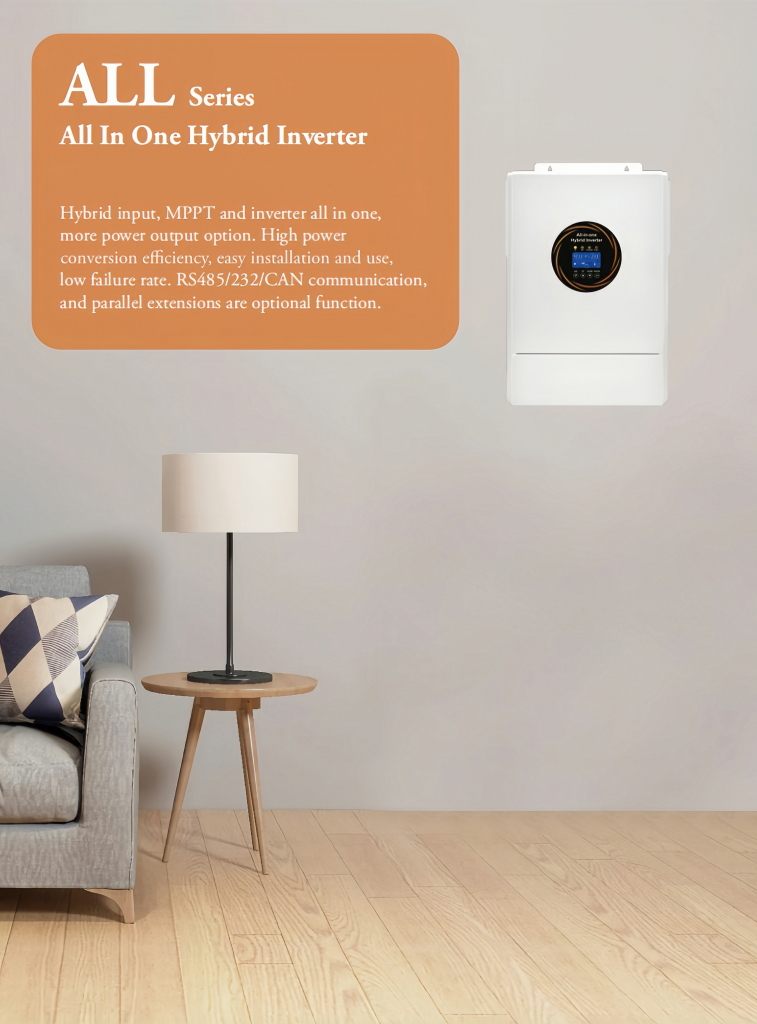
Problems with Traditional Solutions
For years, I watched as consumers relied heavily on conventional power sources—hoping for an uninterrupted flow of electricity. However, I’ve learned first-hand that these methods come with their own set of flaws. Power outages, fluctuating energy costs, and inefficient use of energy during peak times were just the tip of the iceberg. Not to mention, many users felt frustrated with a lack of transparency from utility providers regarding billing and supply. It’s the small burdens that accumulate, creating real pain points for everyday users. With household energy storage battery manufacturers stepping into the limelight, there’s potential for profound change in this narrative.
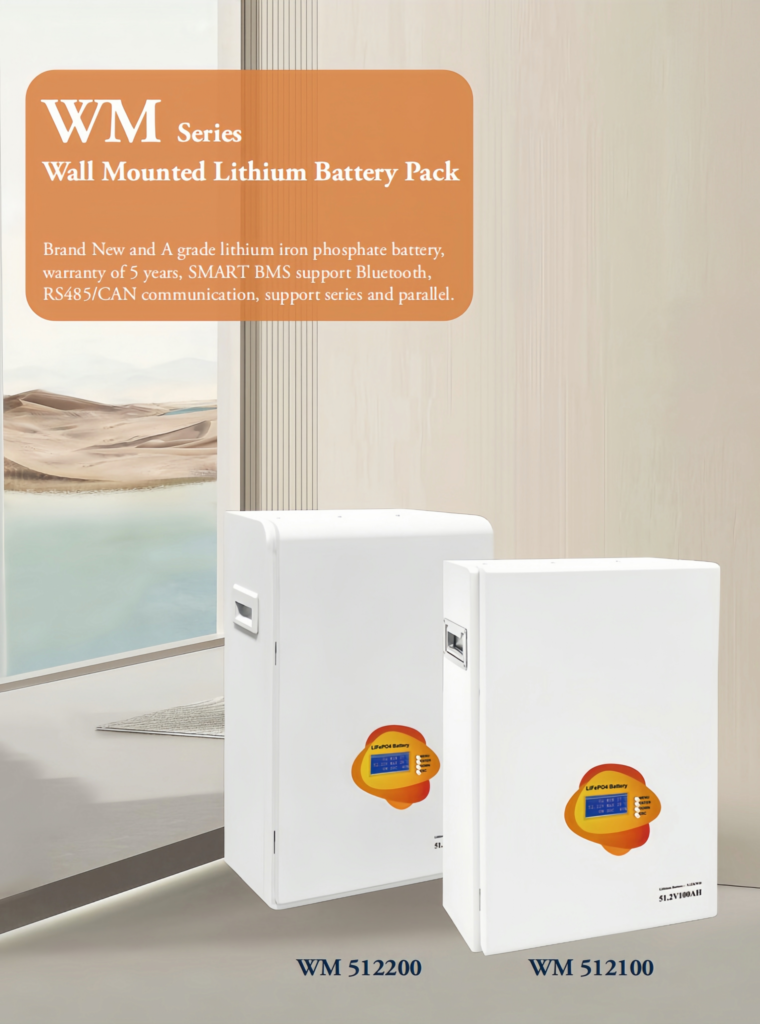
How Did We Get Here?
The evolution of household energy solutions has been gradual yet impactful. Early technologies offered minimal flexibility, but advancements in energy storage are changing the game. I vividly remember when my neighbor installed a home solar system paired with a storage unit—it was indeed a game changer for them. They now enjoy reduced dependence on the grid and can utilize solar energy during the night. This practical adaptability is why more people are turning towards modern solutions. But what about future advancements? (Just imagine the possibilities!)
Forward-Looking Solutions
Looking ahead, the trajectory for household energy storage seems promising. With increased reliance on renewable energy, battery technology is evolving rapidly. The integration of smart systems allows for households to optimize their energy usage, ensuring that every kilowatt is utilized efficiently. This optimization can translate to significant savings, which many families desperately need as costs rise. Moreover, the role of household energy storage battery manufacturers is critical—they are innovating with a focus on efficiency and accessibility for all. It’s thrilling to think about how these systems can improve energy self-sufficiency.
Real-world Impact
As we witness these technological strides, we must also evaluate the measurable impacts within households. For families in urban centers, integrating energy storage can yield savings of more than 30% on electricity bills over time. That’s a remarkably tangible benefit! I’ve seen families transform their energy consumption habits—leading to not just lower bills, but also a newfound independence from external energy sources. In a way, this is the victory dance of modern energy solutions, and it reflects the hardworking spirit of those who adopt them.
Key Takeaways
As I reflect on the challenges and triumphs faced by consumers, it becomes clear that embracing a household energy storage system can pave the way toward sustainable living. The lessons I’ve gathered suggest focusing on three key metrics: energy efficiency, cost-effectiveness, and adaptability to changing energy needs. With every passing day, more families will choose to invest in these systems. The landscape is changing, and I believe we are at the forefront of a significant shift in household energy consumption. If you’re considering your energy options, explore brands like THOE that prioritize innovation and user-centric solutions.