
What is RFID Labeling?
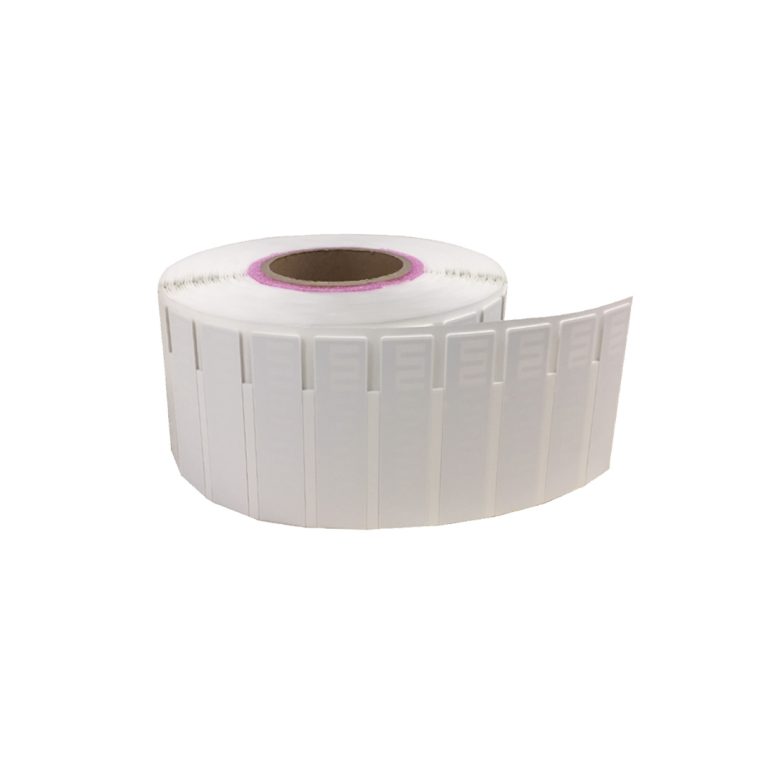
RFID labeling, or Radio Frequency Identification labeling, has reshaped how businesses track products and manage inventories. It utilises tiny electronic tags that transmit data, making tagging items a breeze. Unlike traditional barcodes that require line-of-sight scanning, rfid labeling allows for quick, automatic scanning of multiple items from a distance. This technology is incredibly efficient, saving time in industries like retail, logistics, and even healthcare. For instance, imagine a warehouse where staff can scan an entire shelf of products within mere seconds—talk about a productivity boost!
Benefits of RFID Labeling
Not only does RFID labeling streamline operations, but it also enhances accuracy and reduces human error. By providing real-time inventory data, businesses can avoid stockouts or overstock situations. Consider this: a grocery store using RFID labels can check item levels directly from a central computer, ensuring fresh products are available and preventing waste. Moreover, with the ability to access detailed product information, companies can make smarter purchasing decisions and optimise their supply chains. In essence, rfid labeling translates to more informed strategies and improved profitability.
Exploring RFID Smart Labels
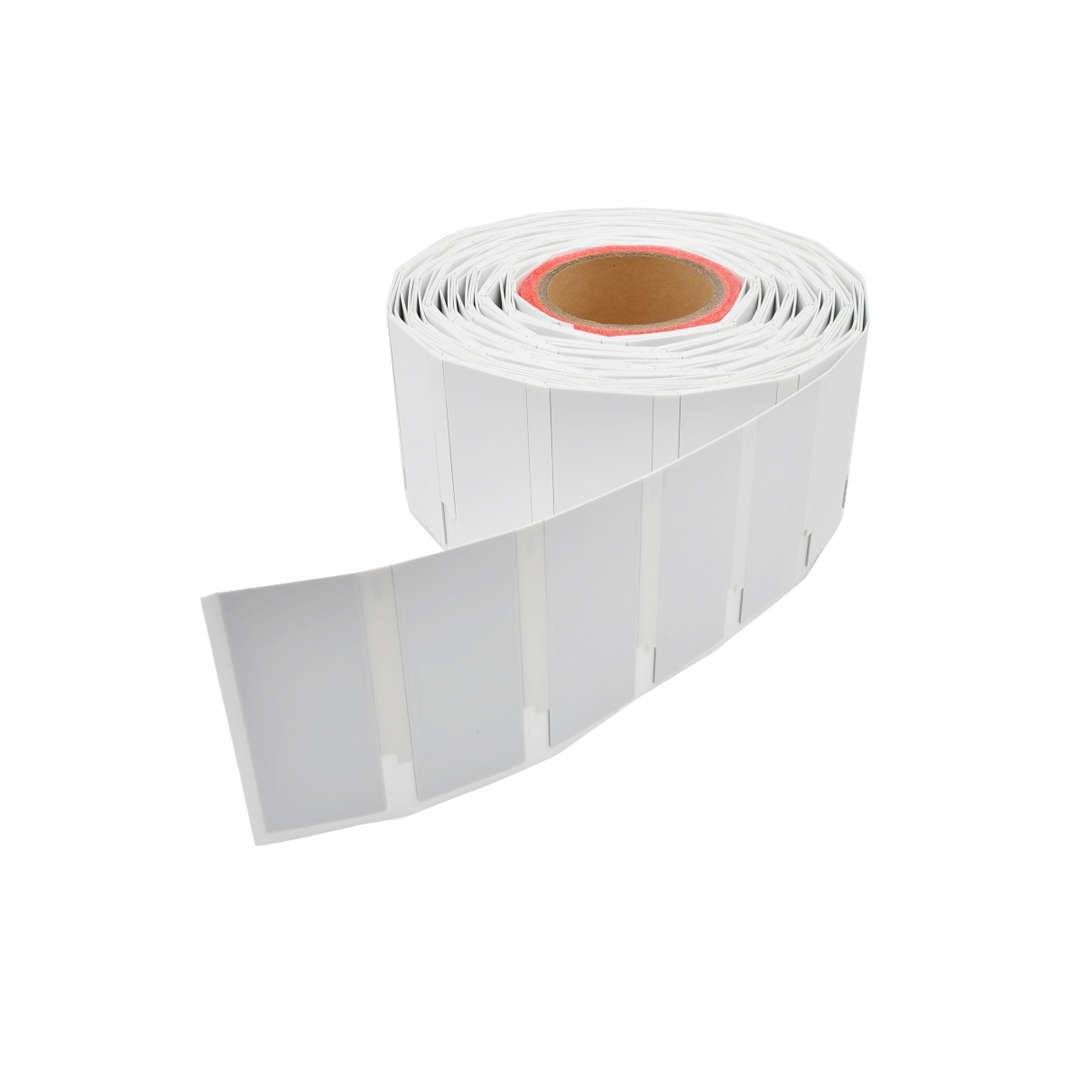
When we talk about efficiency, one can’t overlook the importance of rfid smart labels. These advanced labels combine traditional RFID technology with smart connectivity, enhancing the overall usability of RFID systems. With built-in sensors, these labels can monitor conditions like temperature and humidity, which is vital in industries like pharmaceuticals and food processing. Imagine a delivery truck equipped with RFID smart labels that alerts managers of any temperature breaches. This level of awareness not only ensures product integrity but also safeguards businesses against potential losses—fueling the case for wider adoption.
The Future of RFID Smart Labels
Looking ahead, the potential for rfid smart labels is vast. As technology advances, we can expect even greater integration with IoT systems, which will provide businesses with unprecedented insights into their operations. Picture a smart factory, where every item is connected and managed through digital networks. Such capabilities will help industries reduce waste and improve efficiencies further. It’s not just about keeping track of products anymore; it’s about creating a seamless ecosystem that enhances responsiveness and agility in today’s fast-paced market.
Conclusion and Recommendations
In summary, RFID labeling and, more specifically, RFID smart labels, are revolutionising how we handle product tracking and inventory management. The benefits—such as increased accuracy, efficiency, and real-time data access—are compelling enough to warrant consideration for any business looking to modernise operations. For those keen on implementing these technologies, I highly recommend checking out RSTC, a leading manufacturer known for its supply advantages and quality products. Their RFID solutions are tailor-made to meet the demands of various industries, providing the perfect springboard for your business into the future.
 SEO
SEO